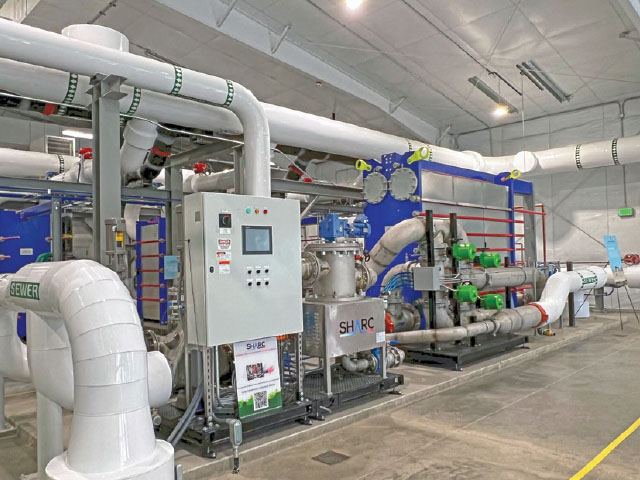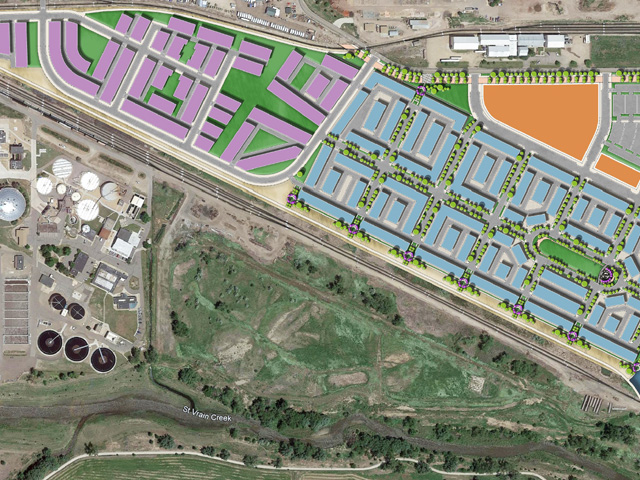


Metro Water Recovery is partnered with the City and County of Denver (Denver) and Xcel Energy (Xcel) to harness wastewater thermal energy as a resource for modern, efficient, and sustainable district energy.
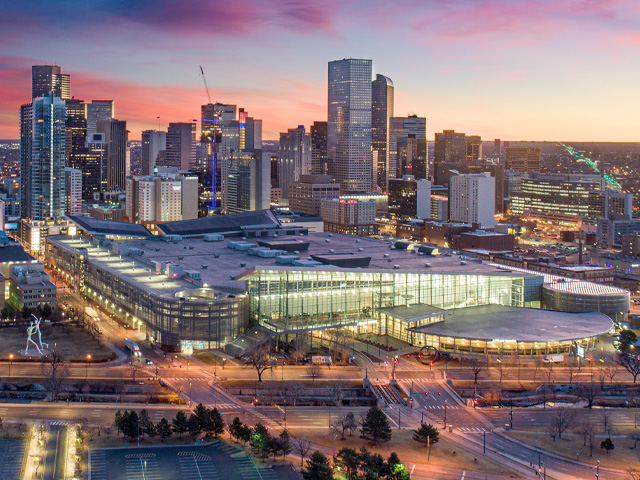
Xcel’s Denver district steam system holds the unique distinction of being the oldest continuously operated commercial district heating system in the world. It has been nearly 145 years since the Denver City Steam Heating Co. began operation in November 1880. Today, as part of Xcel Energy, the system provides service to over 110 customers across the downtown area. In addition to district heating, Xcel expanded its thermal energy business in 1998 with a district chilled water cooling system. Many of Denver’s largest buildings are on Xcel’s district steam and chilled-water systems, including iconic landmarks like the Convention Center, Denver Center for the Performing Arts, Denver City and County Buildings, State Capitol, and the U.S. Mint. For these customers, district steam and chilled water have become essential services, yet increasing rates and aging infrastructure have raised questions around the long-term reliability of the steam system.
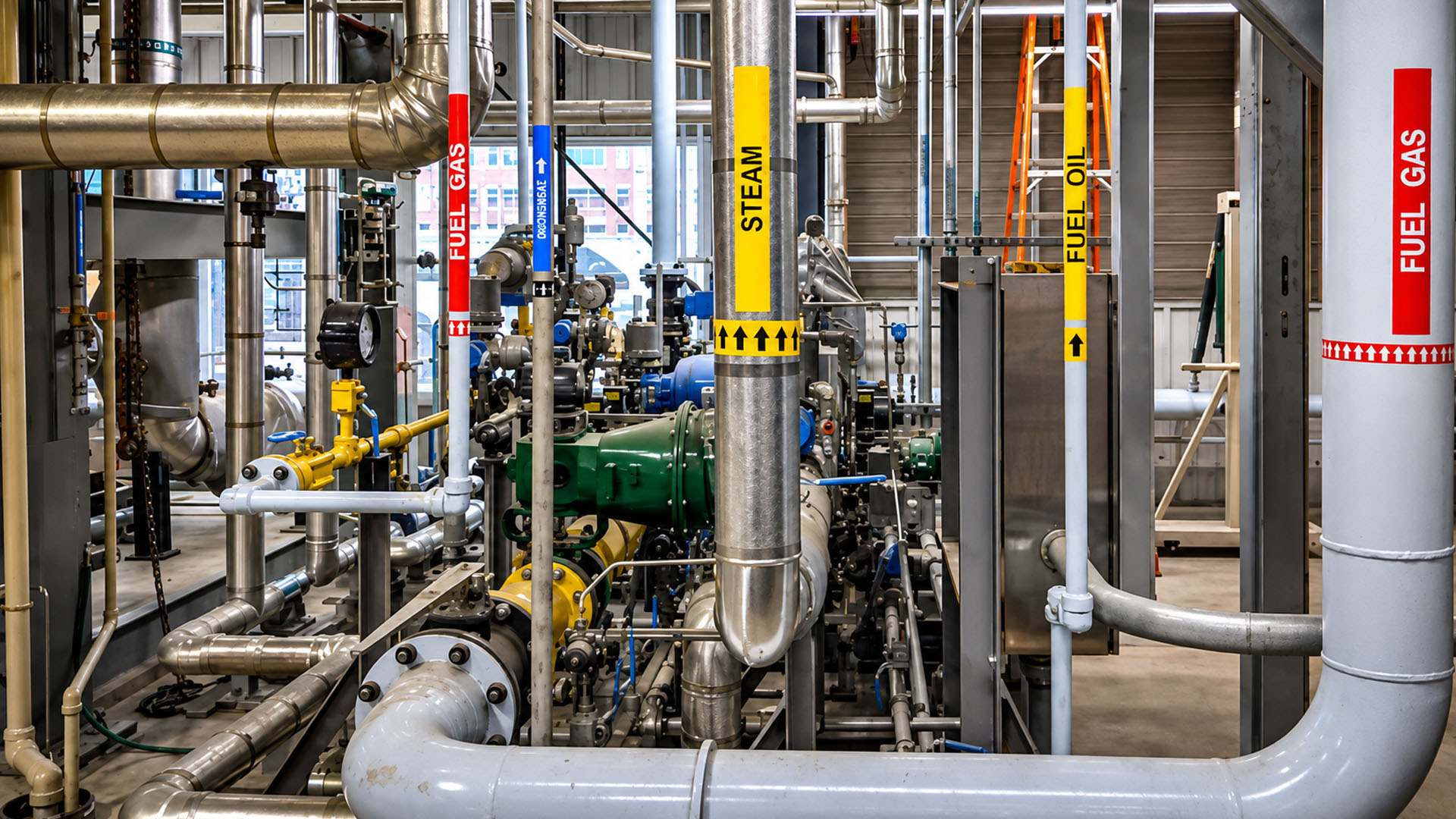
The Denver Steam Plant produces steam from natural gas-fired boilers and distributes it through a ten-mile piping network (Image credit: Colorado Public Radio). In response to these growing concerns and the rising cost of service, the Colorado Public Utilities Commission directed Xcel to evaluate alternatives to district steam. The challenge is finding an affordable, reliable, and sustainable alternative to carbon-based fossil fuel energy. Because natural gas boilers are incompatible with Denver and Colorado climate goals, the solution will require some form of electrification; that is, converting buildings from non-electric sources of energy to electricity.
Electrification is an emerging economy-wide decarbonization strategy impacting the electric power industry. If electricity can be generated using clean, renewable energy sources, switching to electric technologies will reduce overall carbon emissions. Traditional electrification can be expensive and disruptive. Xcel found converting steam customers to electric boilers, while technically feasible, would require massive investment on both the electric distribution side and at the customer sites. In fact, the existing downtown power grid can support electrifying only about one-third of steam customers. For Xcel Energy, this has quickly become a billion dollar problem. The study will show that UTEN’s can help decarbonize Denver.
Using wastewater as a renewable source for district heating and cooling.
Helping replace Denver's aging steam system with a cleaner, more reliable solution.
Supporting lower carbon emissions through sustainable thermal energy networks.